
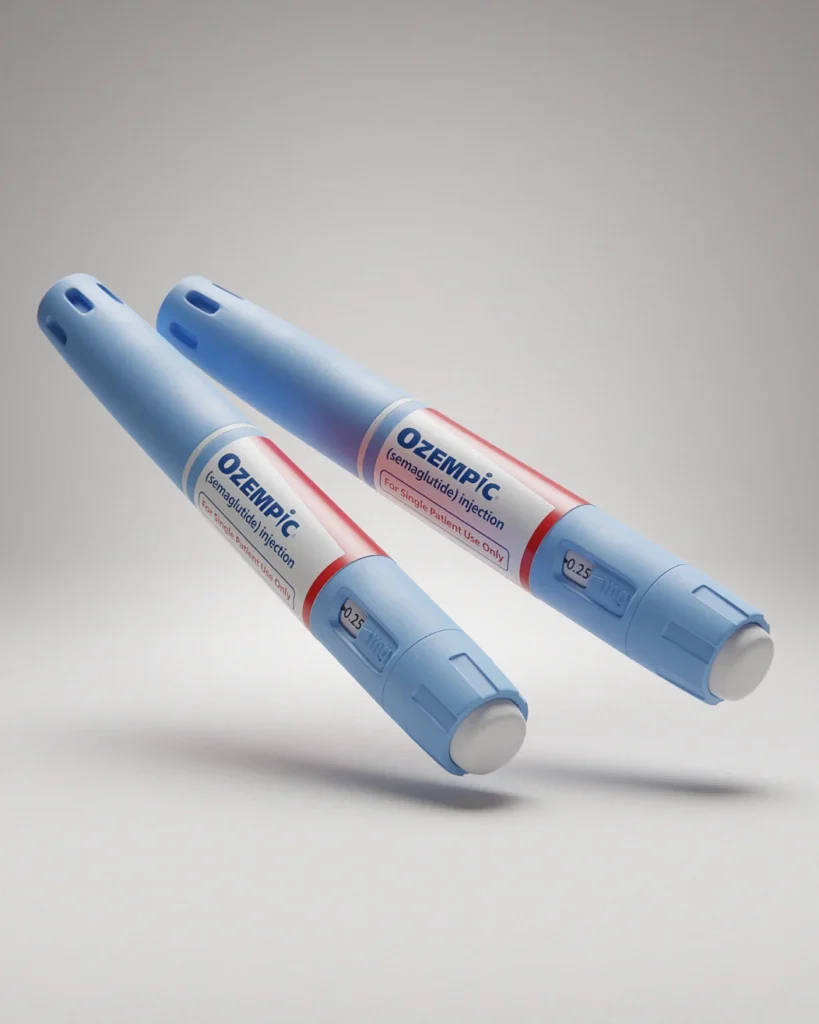
Ozempic® Prescription Online for Weight Loss
- A weekly shot to lose weight
- FDA-approved GLP-1 medication
- Improves the way your body responds to sugars
- Ozempic is not FDA-approved for weight loss, but may be prescribed off-label if a provider deems it appropriate
What is Ozempic?
How does Ozempic work?
How much does Ozempic cost?
Important Safety Information: Ozempic treats type 2 diabetes but may be prescribed off-label for weight loss, if appropriate. Ozempic may have serious side effects, including possible thyroid tumors. Do not use if you or your family have a history of a type of thyroid cancer called MTC or MEN 2. Read more about serious warnings and safety info.

What's included in the Simple Scripts Body membership?
- Access to FDA-approved GLP-1 medications
- Dedicated insurance concierge
- Unlimited provider messaging
- Side effect management and titration support
- Weight tracking and dose logging
- 1:1 health coaching

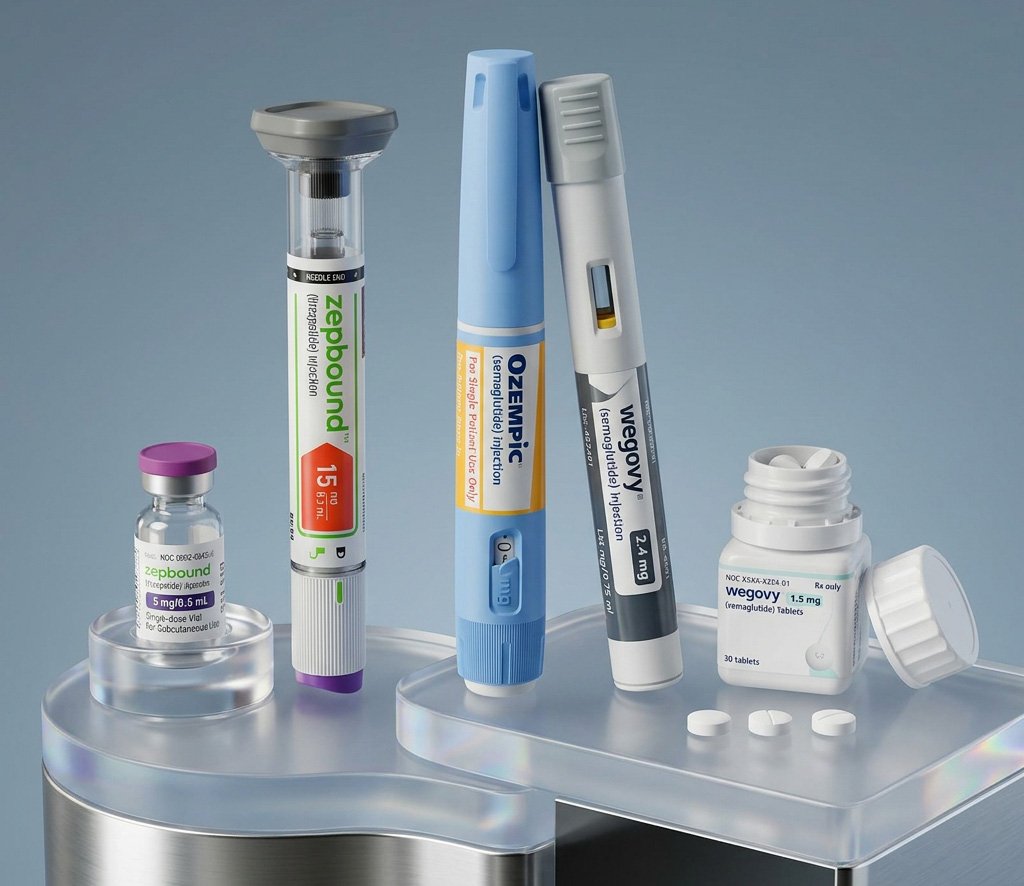
Explore your GLP-1 options
- A full suite of GLP-1 options to fit your needs
- Options include Wegovy pill, Wegovy pen, Ozempic, Zepbound pen, and Zepbound vial
- Insurance or cash-pay

Questions we hear every day
How much does Ozempic cost?
Are there foods to avoid while taking Ozempic?
What are the most common Ozempic side effects?
All medications carry a risk of potential side effects. Ozempic’s side effects are typically mild and often improve within the first few weeks of treatment. When they occur, it’s usually when doses are increased, then tend to improve once a steady dose is reached. Some of the most common side effects include:
- Nausea
- Vomiting
- Upset stomach
- Stomach pains
- Constipation
- Diarrhea
- Heartburn
- Acid reflux
- Belching and gas
- Dizziness
- Headaches
- Fatigue
More severe side effects are rarer but possible. Serious side effects include:
- Thyroid cancer—The FDA has issued its most serious warning (called a BOXED WARNING) that GLP-1s may be associated with a type of thyroid cancer called medullary thyroid carcinoma. So far, this side effect has primarily been seen in laboratory studies using rodents, so the risk to humans has not been determined.
- Pancreatitis
- Gallbladder disease
- Rapid heartbeat
- Severe allergy (hypersensitivity)
- Low blood sugar
- Vision problems (diabetic retinopathy)
- Kidney disease
- Suicidal thoughts or behaviors
Please see the full Prescribing Information, including the BOXED WARNING, for complete safety information.