
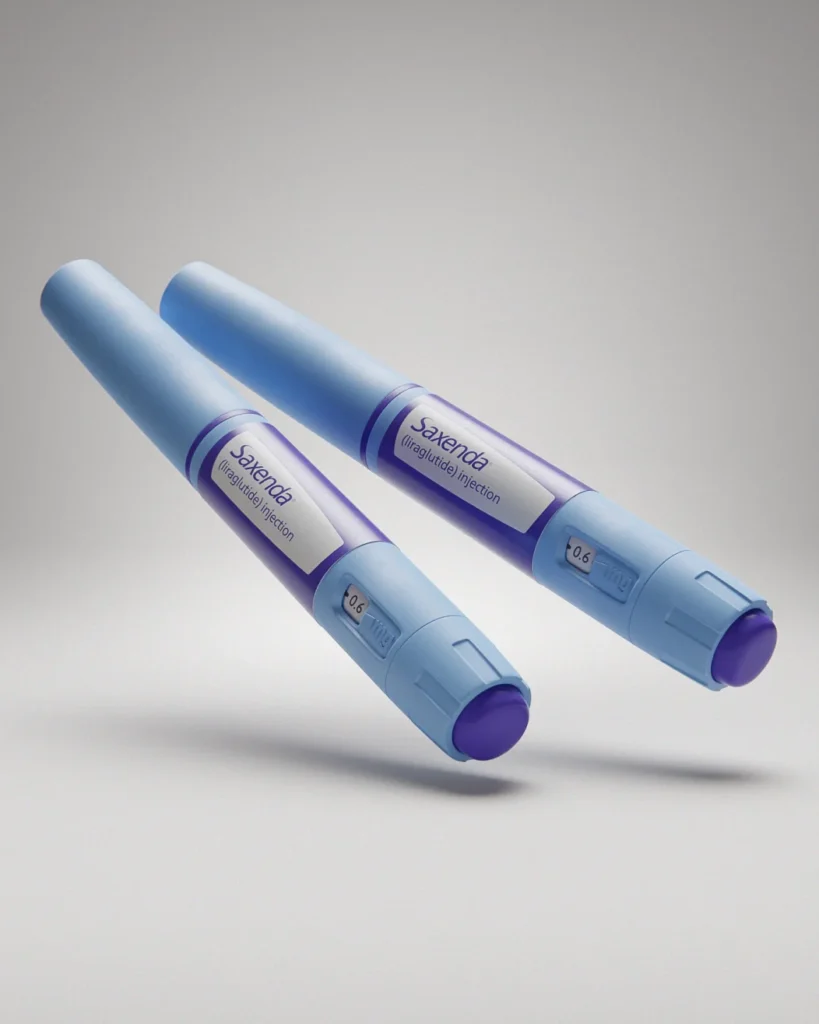
Saxenda prescription for weight loss
(liraglutide) injection
- FDA-approved medication for weight loss
- Lose 9% of your body weight on average in 1 year*
- FDA-approved GLP-1 for weight loss–now in a pen and a pill
What is Saxenda?
Saxenda is a brand-name version of the generic medication liraglutide. Saxenda is FDA-approved and clinically proven to help with weight loss and belongs to a group of drugs called glucagon-like peptide-1 (GLP-1) receptor agonists. These drugs limit your appetite by acting like a hormone that slows down your gut, making you feel less hungry. People on Saxenda lost an average of 9% of their body weight after one year.*
How does Saxenda work?
Saxenda works for weight loss by mimicking the hormone GLP-1, which reduces appetite and slows down the movement of food through your stomach. This may make you feel full longer and therefore eat less, which can lead to weight loss. When paired with healthy food choices and regular exercise, Saxenda can assist you in reaching and maintaining your long-term weight goals.
How do you take Saxenda?
Saxenda is a clear liquid that comes in prefilled injection pens. Each pen contains multiple doses. If prescribed, you (or someone in your household) will administer the injection once daily under the skin of your stomach, thigh, or arm. You’ll also receive clear instructions on using the injection pen, and your Simple Scripts-affiliated provider can offer additional advice.
Safety info: Saxenda treats obesity or overweight (with weight-related problems), along with diet and exercise. Saxenda may have serious side effects, including possible thyroid tumors. Do not use if you or your family have a history of a type of thyroid cancer called MTC or MEN 2. Do not use if you are pregnant. Read more about serious warnings and safety info.


Questions we hear every day
What foods should be avoided while taking Saxenda?
There are no specific foods you must avoid while taking Saxenda and there are no known food-medication interactions you have to be aware of. That said, some foods and drinks can cause nausea and fullness, which are symptoms similar to Saxenda’s side effects. These same foods—highly processed, sugary and fried foods—may also make weight loss more challenging.Generally, you’ll want to limit your intake of high-calorie foods like candy, sugary drinks, and fried foods. It also makes sense to eat slowly and eat smaller meals.
What are the side effects of Saxenda?
The most common side effects of Saxenda often improve within the first few weeks of treatment. Side effects tend to occur when you start the medication or increase the dose. Over time, these side effects should subside once a steady dose is reached.
- Nausea
- Diarrhea
- Constipation
- Vomiting
- Injection site reactions
- Headache
- Low blood sugar
- Stomach discomfort
- Fatigue
- Dizziness
- Stomach pain
- Increased in lipase
- Upper abdominal pain
- Fever
- Inflammation of the gastrointestinal tract
More severe side effects are rarer but possible. Serious side effects include:
- Thyroid cancer—The FDA has issued its most serious warning (called a Boxed Warning) that GLP-1 medications like Saxenda may be associated with a type of thyroid cancer called medullary thyroid carcinoma (MTC). So far, this side effect has primarily been seen in laboratory studies using rodents. However, during the post-marketing period, cases of MTC in people treated with liraglutide (the active ingredient in Saxenda and Victoza) have been reported; this data is insufficient to determine the risk in people.
- Pancreatitis (inflammation of the pancreas)
- Severe hypoglycemia (very low blood sugar)
- Kidney and gallbladder problems
- Fast heartbeat
- Serious allergic reactions
- Suicidal thoughts or behaviors
For complete safety information, read more here.
How do you store Saxenda?
Unused Saxenda injection pens have to be stored in the refrigerator between 36°F and 46°F. After first use, you can either put it back in the refrigerator or keep it at room temperature between 59°F and 86°F. It is important to not freeze Saxenda, because you can’t use it anymore and have to throw away the pen once it has been frozen.
How much does Saxenda cost?
The cost of your Saxenda medication can range depending on your insurance coverage—and we’re here to help with that!Simple Scripts’s insurance concierge will work with your insurance provider to determine coverage for your GLP-1 medication. Please note that this medication is paid for separately from your Simple Scripts Body membership, which is only available by cash pay only and does not accept insurance.Currently, Simple Scripts can’t help coordinate coverage for GLP-1 medications for government insurance plans — but depending on your plan, you may still be able to pay out of pocket for certain cash-pay medication options. If you have Federal Employee Health Benefits Program (FEHB), you can join the Ro Body membership and access our insurance concierge.
How much does metabolic testing cost?
If your provider orders a metabolic health test, testing at any Quest location is included in the cost of the Simple Scripts Body membership. Or you can purchase an at-home blood collection kit through Simple Scripts for $75.If you live in a state where Quest is not available, we’ll automatically send you an at-home collection kit for no charge.